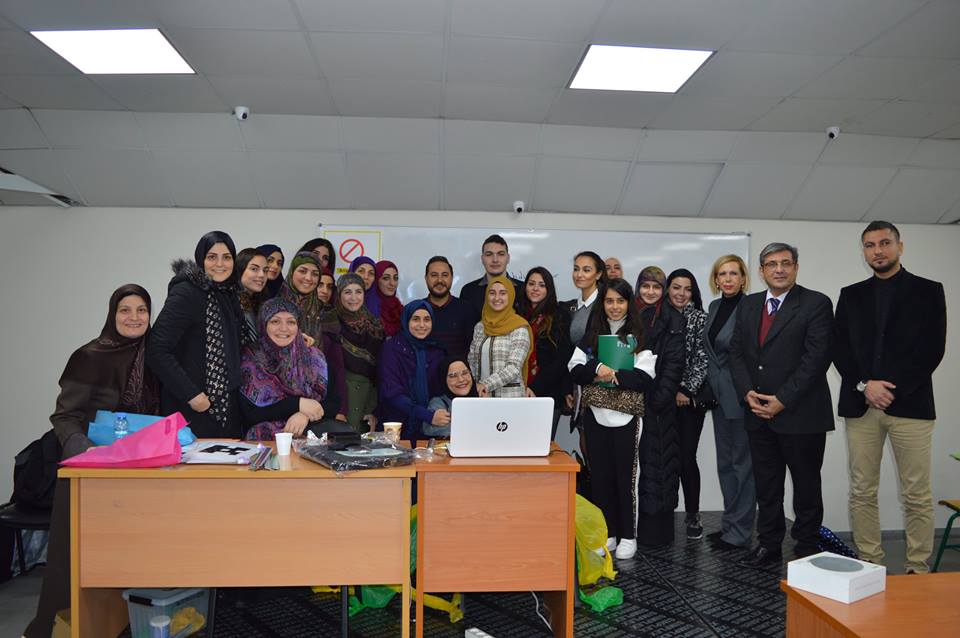
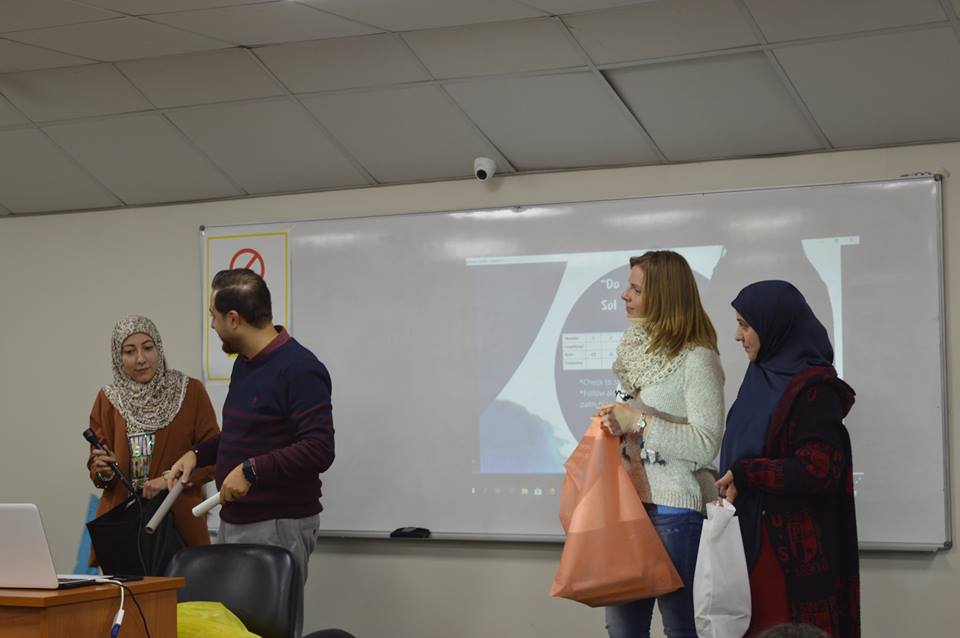
Another exciting workshop about STEM took place at LIU.
Workshop key takeaways
Promotes hands-on learning: STEM teaching approaches encourage hands-on learning through activities and experiments, providing students with a deeper understanding of the material.
Develops problem-solving skills: STEM teaching approaches challenge students to identify and solve problems, developing their critical thinking and problem-solving skills.
Encourages critical thinking: STEM teaching approaches teach students to think critically and ask questions, enabling them to take an active role in their own learning.
Builds 21st-century skills: STEM teaching approaches prepare students for the future by building the skills and knowledge they need to succeed in a rapidly changing and technology-driven world.
Improves student motivation: STEM teaching approaches create a supportive and engaging learning environment that encourages students to take an active interest in the material, leading to improved motivation and performance.
Provides real-world connections: STEM teaching approaches provide students with real-world connections, helping them understand how the material they are learning can be applied in the real world.
Prepares students for STEM careers: STEM teaching approaches prepare students for careers in science, technology, engineering, and mathematics by providing them with a strong foundation in these subjects.
By incorporating STEM teaching approaches, teachers can create a compelling and engaging learning environment that prepares students for success in the future and inspires a love for learning.
Image
As an educational consultant, I offer personalized guidance to help you reach your academic and career goals. Whether
you're a student seeking guidance on choosing a major or a professional looking
to advance your career, don't hesitate to contact me.
Contact Form
Another exciting workshop about STEM took place at LIU.
Workshop key takeaways
Promotes hands-on learning: STEM teaching approaches encourage hands-on learning through activities and experiments, providing students with a deeper understanding of the material.
Develops problem-solving skills: STEM teaching approaches challenge students to identify and solve problems, developing their critical thinking and problem-solving skills.
Encourages critical thinking: STEM teaching approaches teach students to think critically and ask questions, enabling them to take an active role in their own learning.
Builds 21st-century skills: STEM teaching approaches prepare students for the future by building the skills and knowledge they need to succeed in a rapidly changing and technology-driven world.
Improves student motivation: STEM teaching approaches create a supportive and engaging learning environment that encourages students to take an active interest in the material, leading to improved motivation and performance.
Provides real-world connections: STEM teaching approaches provide students with real-world connections, helping them understand how the material they are learning can be applied in the real world.
Prepares students for STEM careers: STEM teaching approaches prepare students for careers in science, technology, engineering, and mathematics by providing them with a strong foundation in these subjects.
By incorporating STEM teaching approaches, teachers can create a compelling and engaging learning environment that prepares students for success in the future and inspires a love for learning.
Image
As an educational consultant, I offer personalized guidance to help you reach your academic and career goals. Whether
you're a student seeking guidance on choosing a major or a professional looking
to advance your career, don't hesitate to contact me.
Contact Form
Another exciting workshop about STEM took place at LIU.
Workshop key takeaways
-
Promotes hands-on learning: STEM teaching approaches encourage hands-on learning through activities and experiments, providing students with a deeper understanding of the material.
-
Develops problem-solving skills: STEM teaching approaches challenge students to identify and solve problems, developing their critical thinking and problem-solving skills.
-
Encourages critical thinking: STEM teaching approaches teach students to think critically and ask questions, enabling them to take an active role in their own learning.
-
Builds 21st-century skills: STEM teaching approaches prepare students for the future by building the skills and knowledge they need to succeed in a rapidly changing and technology-driven world.
-
Improves student motivation: STEM teaching approaches create a supportive and engaging learning environment that encourages students to take an active interest in the material, leading to improved motivation and performance.
-
Provides real-world connections: STEM teaching approaches provide students with real-world connections, helping them understand how the material they are learning can be applied in the real world.
-
Prepares students for STEM careers: STEM teaching approaches prepare students for careers in science, technology, engineering, and mathematics by providing them with a strong foundation in these subjects.
By incorporating STEM teaching approaches, teachers can create a compelling and engaging learning environment that prepares students for success in the future and inspires a love for learning.
As an educational consultant, I offer personalized guidance to help you reach your academic and career goals. Whether
you're a student seeking guidance on choosing a major or a professional looking
to advance your career, don't hesitate to contact me.
Contact Me